

A new window quote. A heat-pump quote. A neighbor who swears the answer is more attic insulation. Everyone has a solution, and somehow you’re the one holding the checkbook. A useful assessment should help put those suggestions in order before you spend.
Cost: Program eligibility and assessment fees vary
Your practical checklist.
- Collect bills, equipment details and a room-by-room list of comfort problems.
- Use an official program or utility page to confirm service territory, eligibility and cost.
- Ask what testing is included and how safety, moisture and ventilation will be considered.
- Request a ranked written scope and ask how completed work will be checked.
Bring the problem, not a predetermined purchase.
Make a short list: cold upstairs bedroom, drafts near the front door, rising usage, rooms that overheat. Add when each problem occurs. Have recent bills, heating-fuel details and any available equipment model numbers ready.
Tell the assessor about previous repairs and planned work. A window replacement already under contract and an unexamined comfort complaint are different starting points. You want the recommendations to address your house, not a generic catalog of upgrades.
Ask what the assessment actually includes.
Efficiency Maine describes audits that can include a whole-home walk-through, blower-door testing, combustion-safety checks and thermal imaging. Not every visit includes every test. Ask before the appointment, and ask what each result can establish.
A thermal image is not automatically a photograph of an air leak. Conditions and interpretation matter. Request the explanation in plain language: what did you observe, what is the likely cause, and what other possibilities remain?
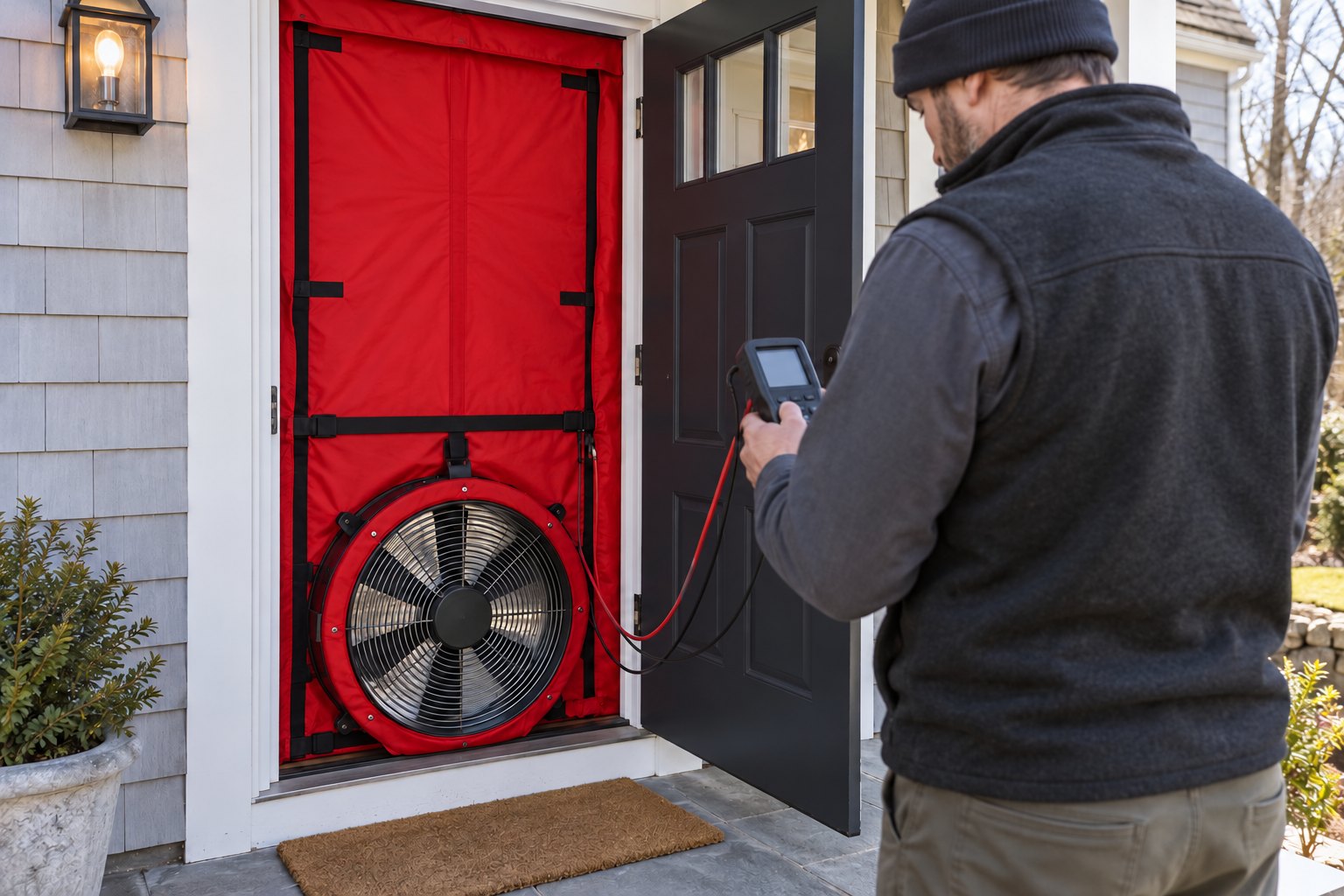
Choose the official starting point for your address.
Massachusetts residents can start with the official Mass Save Home Energy Assessments page; it describes program paths and eligibility, including different situations for renters and buildings. Municipal-utility customers should ask their utility about its own offerings.
In Maine, Efficiency Maine’s energy-audit page explains the process and links to participating contractors. Elsewhere in New England, start with your own utility or state energy office. Do not assume an offer in Portland applies in Portsmouth or Providence. Confirm cost, territory and any approval needed before work starts.
Rank the work before approving the work.
Ask for recommendations separated into safety issues, low-cost adjustments and larger investments. For each proposed item, request the scope, assumptions, expected comfort benefit, maintenance implications and method of checking the result. Ask which problems it will not solve.
Rebates can help, but a rebate amount is not a diagnosis. Verify qualifying equipment, contractors, documentation, deadlines and preapproval directly with the program. This article deliberately does not quote incentive amounts that may change.
Keep the final decision in your hands.
Ask how ventilation, moisture and fuel-burning equipment will be considered when air sealing is proposed. Whole-house changes interact; a responsible plan should address those interactions instead of treating tighter as automatically better.
Take the written findings home and compare bids using the same scope. You are allowed to ask another question before signing. Wicked advanced technology, that: understanding the job before buying it.
Leave with answers you can use to compare bids.
Ask for the recommended work in an order you can explain to someone else. What is urgent? What is a comfort improvement? What depends on completing another item first? Request the actual areas or equipment involved, the proposed materials or approach, and any exclusions. A vague instruction to “add insulation” is hard to compare with another contractor’s detailed scope.
Then ask who handles permits or program paperwork when applicable, what the quoted price includes, and whether any eligibility or approval must be settled before the work begins. Keep your assessment separate from the sales decision. If two contractors propose different solutions, take those differences back to the evidence: which finding is each proposal intended to address?
Common questions.
Is every home energy assessment free?
No. Program sponsorship, utility territory, property type and eligibility determine the available options. Confirm the current cost before scheduling.
Does an assessment require me to buy upgrades?
Ask the provider about obligations before booking. Request recommendations and contract terms separately so you understand any commitment.
Can an assessment prove what The Heatah will save?
No. A home assessment can identify building and system opportunities. It does not establish performance or savings for an unmeasured device in your fireplace.
Sources and fact checks.
Published by The Heatah team. Guidance is linked below; no professional inspection of your home is implied.
- Efficiency Maine: Energy Audit · checked 2026-10-28
- Mass Save: Home Energy Assessments and eligibility · checked 2026-10-28
- U.S. Department of Energy: Consumer Guide to Air Sealing · checked 2026-10-28
Original editorial illustrations created for The Log. These images do not depict a customer property, an actual inspection or a measured result.